
Metal cutting machines: what they are, types, benefits, and how to choose the right one

Metal cutting machines are the backbone of modern manufacturing because they turn raw metal into accurate, functional parts with repeatable results. In day-to-day production, metal cutting is what makes tight fits, flat sealing faces, and reliable assemblies possible, whether you are machining a bracket, a gearbox housing, or a structural frame. The term covers a […]
CNC machine price: what CNC machines are and what influences the cost

If you search “CNC machine price,” you will see numbers that range from entry-level hobby equipment to industrial production systems that cost as much as a building fit-out. That spread is real. A compact cnc router used for woodworking is not priced like a high-rigidity cnc milling machine built for steel. A basic turning center […]
Automation tooling: what it is, types, benefits, and how to choose the right tooling
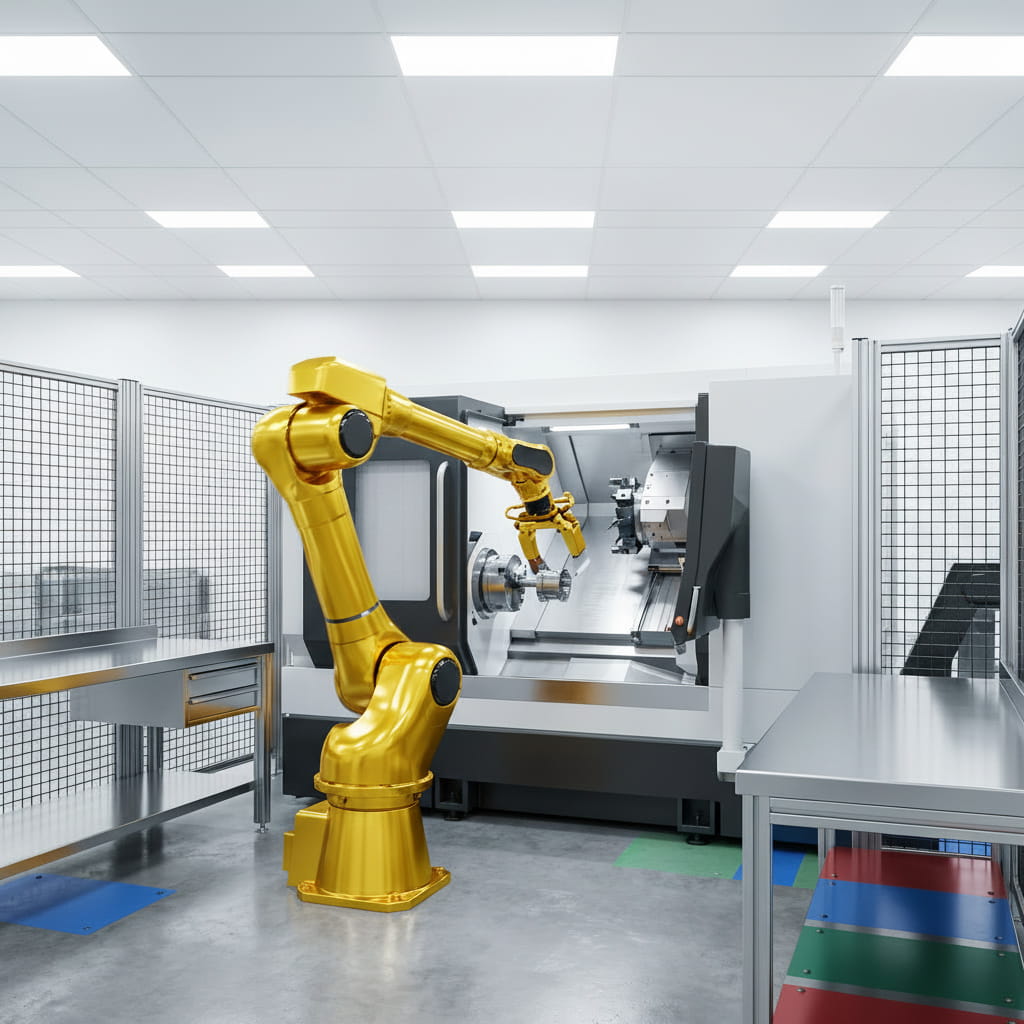
Automation cells usually do not fail because a robot cannot move accurately. They fail because the tooling and interfaces cannot locate, grip, clamp, and verify parts consistently in real shop conditions. Coolant changes friction, chips block seating surfaces, locator pins wear, and a small mismatch in part presentation can stop an entire automation system. That […]
Thread milling machine: what it is, how it works, and when to use it
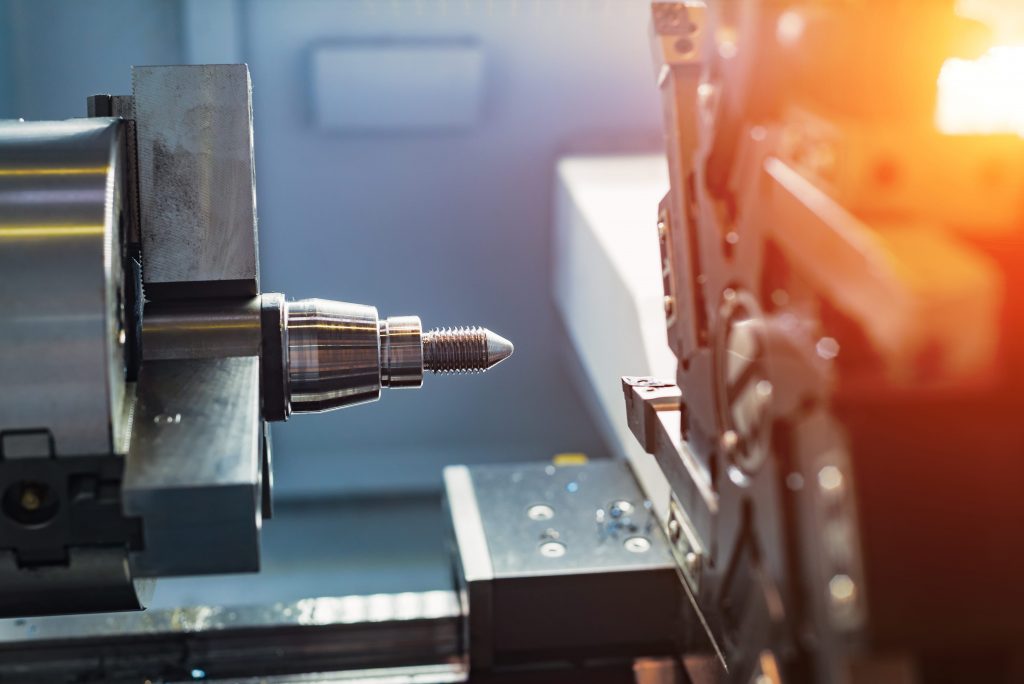
Threads are everywhere in mechanical engineering, but the method you choose to cut a thread can determine whether production is stable or constantly interrupted by rework and broken tooling. Thread milling has become the preferred option for many CNC shops because it offers better control over thread quality, safer cutting conditions in tough materials, and […]
Trends shaping Europe’s Machine Tools in 2026
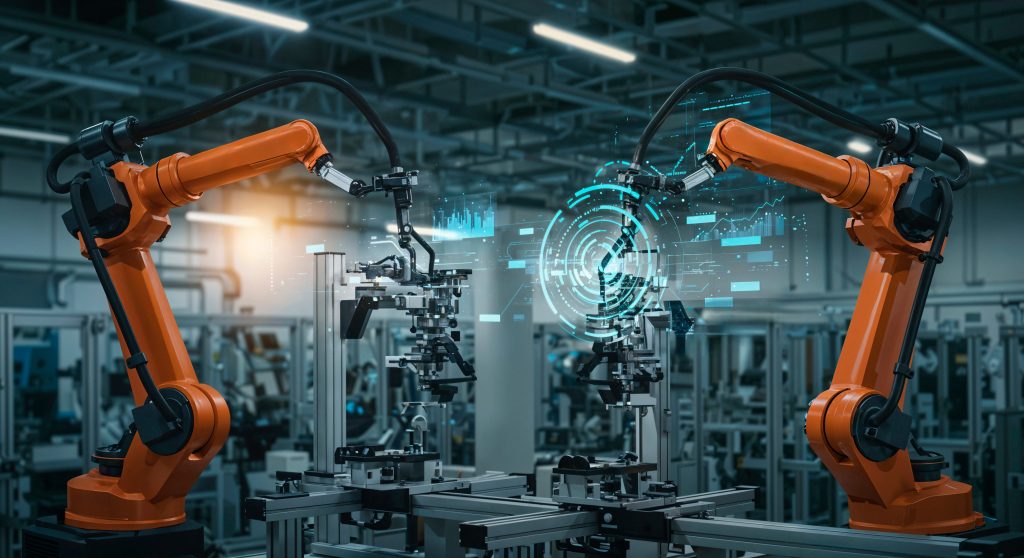
Europe’s machine tools sector enters 2026 on a path of steady recovery and innovation, following 2025’s economic stabilization. The industry is driven by digital transformation, automation demands, and sustainability imperatives across key sectors like automotive and energy. This article highlights a few key industry trends to guide strategic decision-making for manufacturers navigating a competitive landscape. […]
Lathe parts: key components of a lathe machine and what each one does
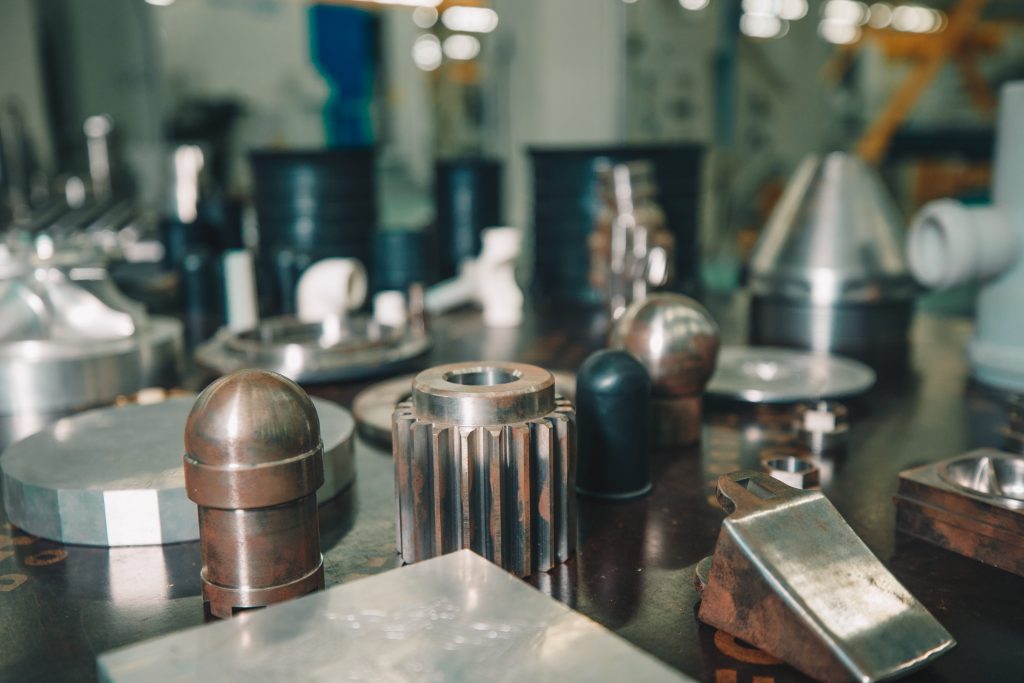
A lathe is a core machine tool in modern manufacturing, used to produce precise cylindrical parts and profiles with reliable accuracy and repeatability. Whether you are running a manual engine lathe in a toolroom or a CNC turning center in production, the fundamentals are the same: the workpiece rotates, and a cutting tool removes material […]
Horizontal boring machine: what it is, how it works, and how to choose the right one
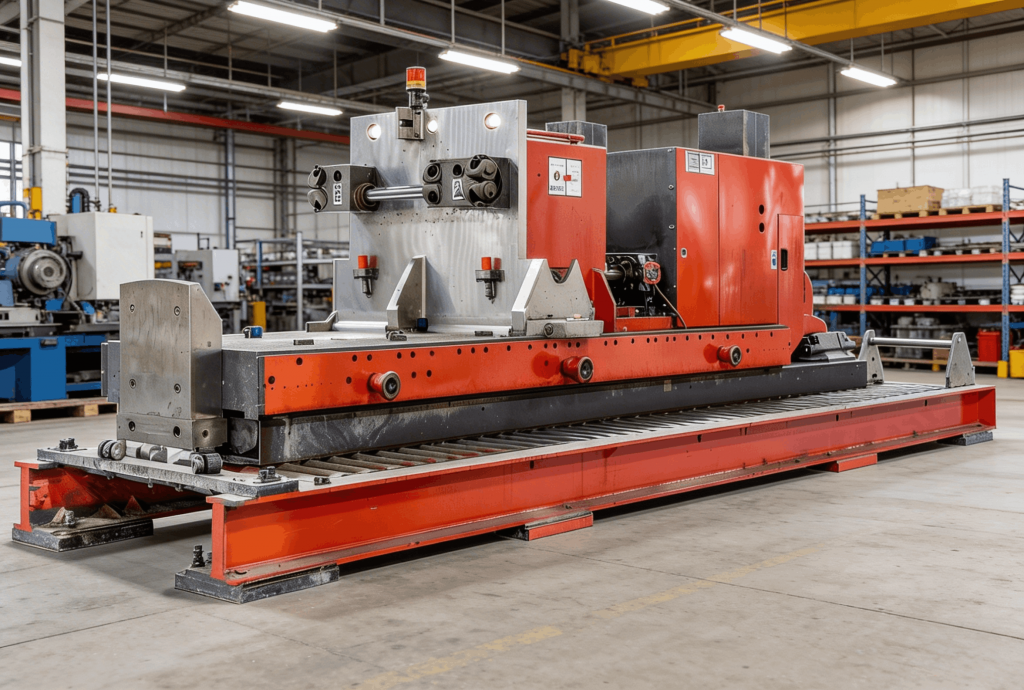
A horizontal boring machine is designed for a job that many standard milling platforms struggle to do efficiently at scale: accurate horizontal boring on large and heavy components while keeping bore alignment consistent across multiple faces. In industries such as energy, heavy equipment, and aerospace, bore geometry is often the difference between an assembly that […]
Bed milling machine: what it is, how it works, and how to choose the right one

A bed milling machine is often the practical step up when a shop needs more rigidity and more consistent cutting performance than turret mills can deliver, but does not necessarily need a full production machining center for every job. In modern manufacturing, bed milling sits in a useful middle ground between toolroom flexibility and production […]
Face milling machine: what it is, how it works, and when to use it
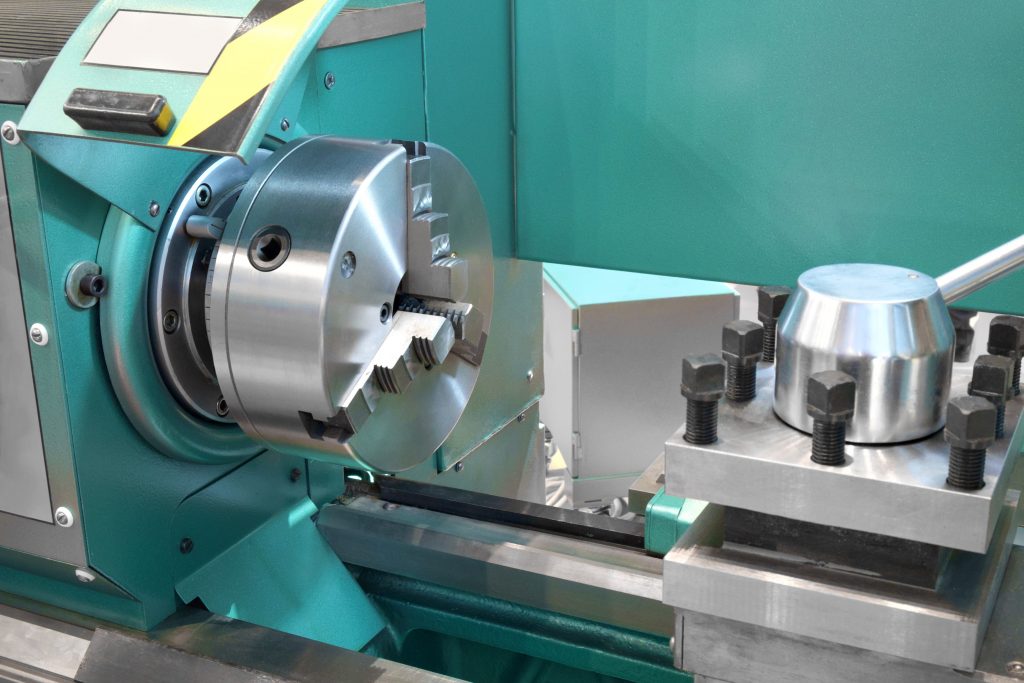
If you need a fast, reliable way to create flat surfaces that become the reference for everything that follows, face milling is usually the first place to look. It is one of the most common surfacing strategies in modern machining because it can clean up raw stock, improve squareness, and set a consistent datum plane […]
CNC machine automation: what it is, why it matters, and how to implement it

In most shops, the CNC is the most valuable asset on the floor, yet it spends a surprising amount of time not cutting. Doors open, parts are located, vises are tightened, chips are cleaned, offsets are checked, and the operator is pulled away to solve another problem. That is why CNC machine automation has become […]
Types of additive manufacturing: a complete guide to AM processes, materials, and applications
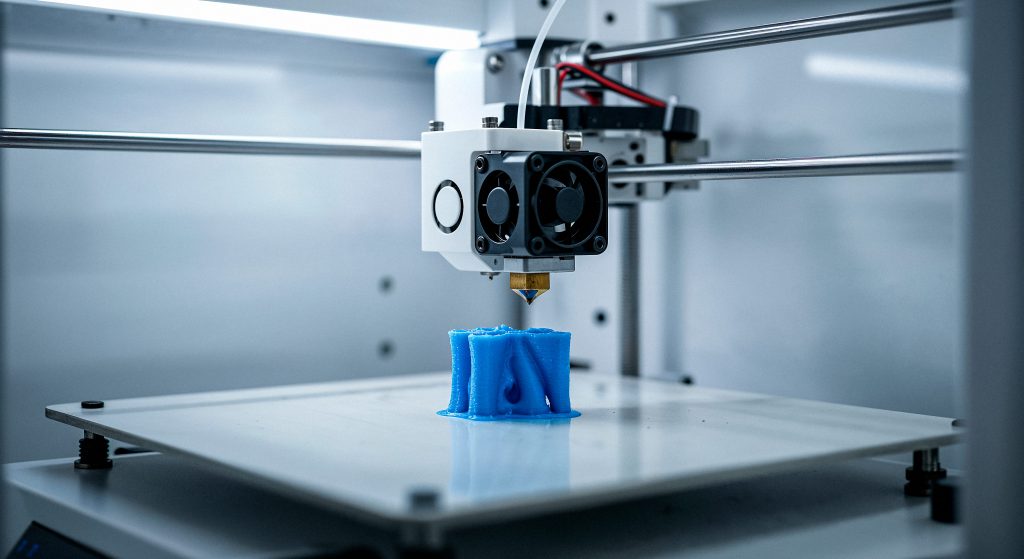
Additive manufacturing has grown from a niche prototyping capability into a mature manufacturing technology used to create everything from ergonomic prototypes to certified flight hardware. The reason is simple: an AM additive manufacturing process turns digital geometry into physical parts layer by layer, reducing tooling constraints and enabling shapes that are hard to achieve with […]
Metal additive manufacturing: what it is, how it works, and when it makes sense
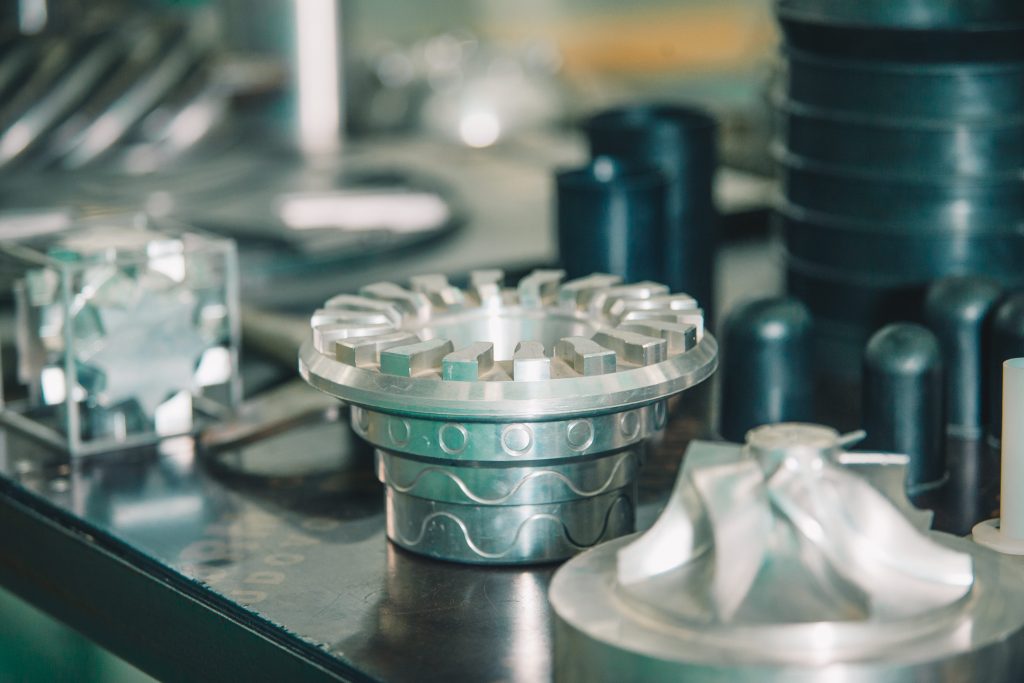
Metal additive manufacturing has moved from “interesting prototype” to a credible production route for high-value components where geometry, performance, or lead time drives the decision. Instead of cutting material away like subtractive manufacturing, it builds parts directly from digital data, opening the door to internal flow paths, consolidated assemblies, and shapes that are difficult to […]
What Is A Vertical Milling Machine: Types, Uses, And How To Choose

Vertical milling remains one of the most important machining capabilities in modern production because it balances accessibility, accuracy, and versatility in a single platform. From small prototypes to repeatable batches, the vertical format supports controlled material removal on a wide range of components, which is why it is a staple in almost every machine shop. […]
The Future in Motion: Factory Automation and the Rise of Smart Material Handling
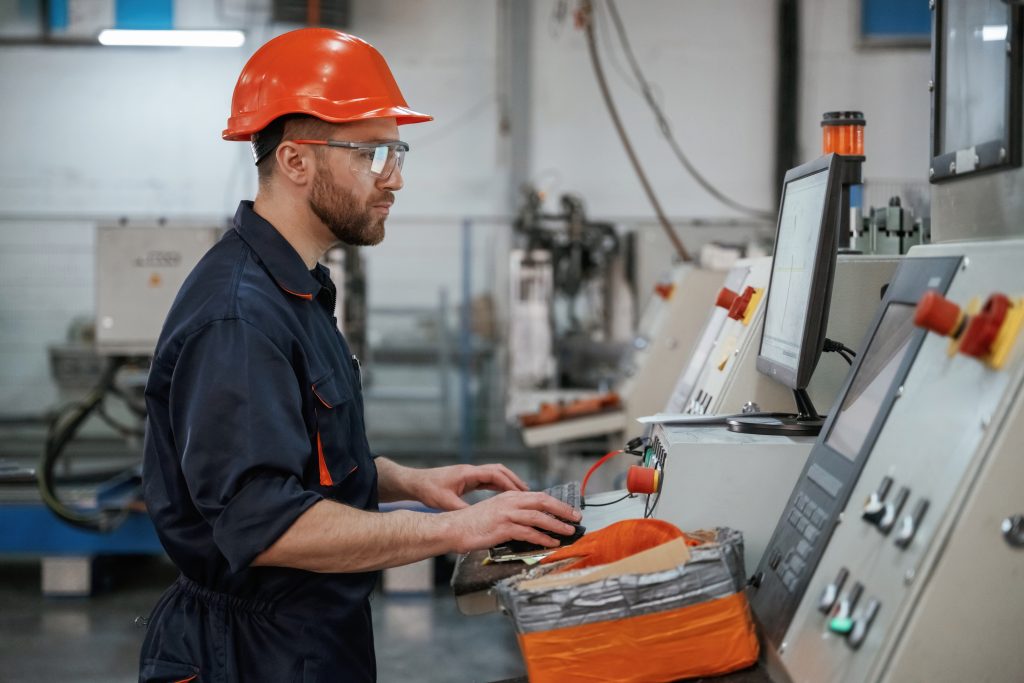
As the fourth industrial revolution unfolds, the modern factory floor is transforming into a fluid, intelligent environment where machines, materials, and data move with precision and autonomy. At the heart of this transformation is factory automation, and one critical backbone of this evolution is automated material handling. Today, how materials are transported within a plant, […]
Turning and milling: what is the difference
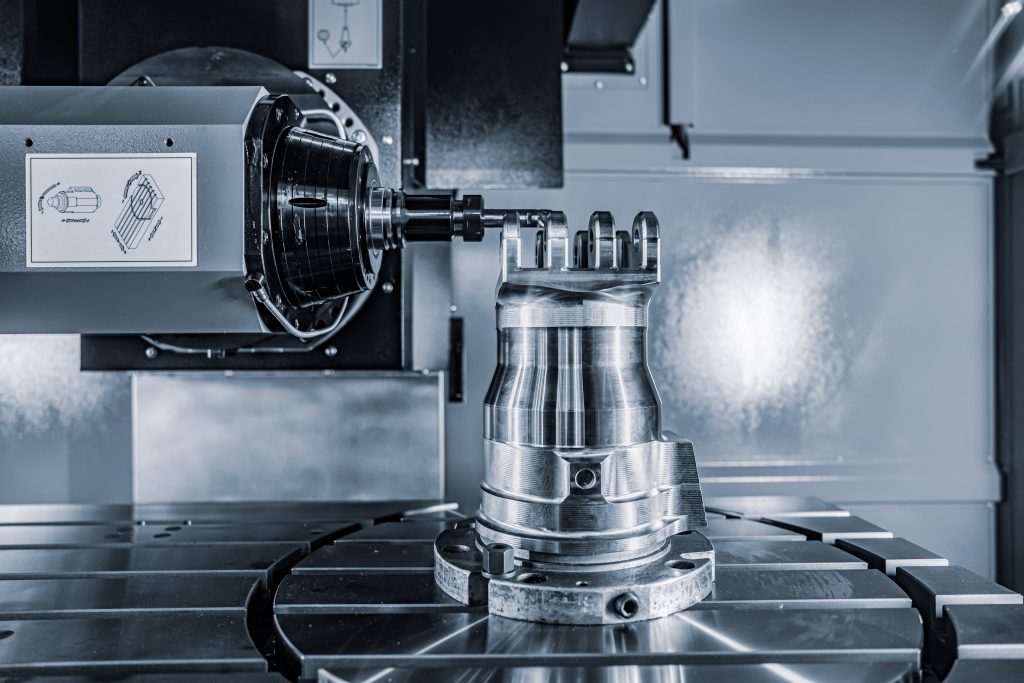
Turning and milling are two of the most widely used machining processes in modern manufacturing, forming the foundation of precision component production. Both rely on controlled material removal to shape raw workpieces into accurate, functional parts used across every major industry—from aerospace to automotive. Understanding how these processes work—and how they differ—is essential for optimizing […]